Water emergency? Our commercial crews respond 24/7.
Commercial Water Damage in Fort Worth, TX
- 24/7 Response
- Extraction
- Structural Drying
- Restoration
What happens when you call
24/7 dispatch
Call any hour. Crews mobilize for commercial losses, including nights and weekends.
Extraction & drying
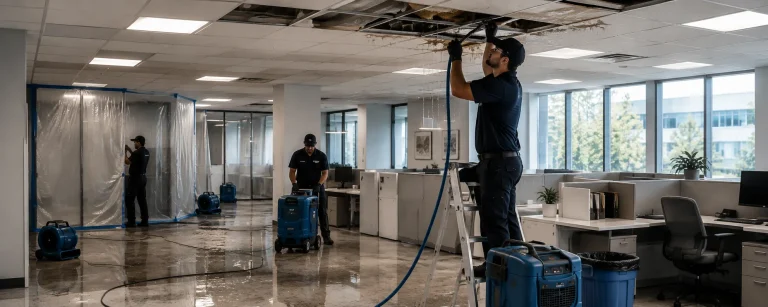
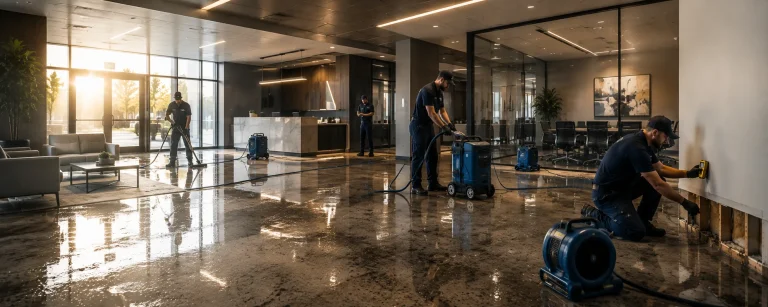
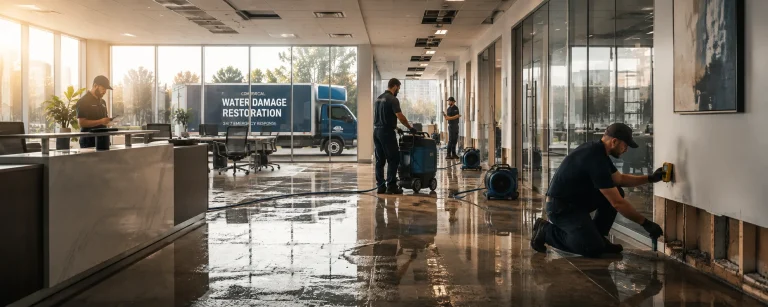
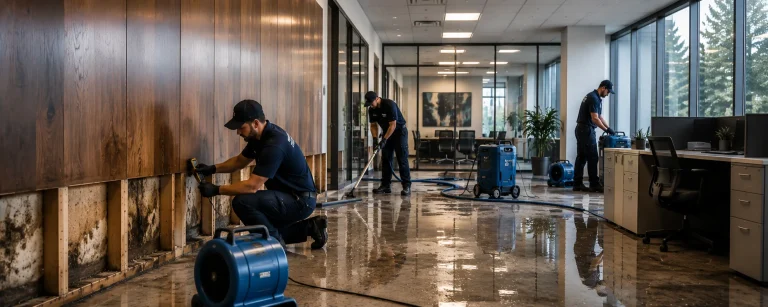
Standing water removed, then structural drying with monitored moisture readings.
Insurance-ready records
Readings, photos and scope notes documented for your carrier from day one.
Fort Worth, TX
Commercial Water Damage in Fort Worth Requires Protecting Industrial Growth, Historic Commercial Districts, and Expanding Business Centers
Fort Worth has evolved into one of Texas’ fastest-growing commercial markets. Major manufacturing facilities, aerospace companies, distribution centers, healthcare campuses, historic downtown buildings, office developments, retail centers, and industrial parks all contribute to a diverse economy that depends on reliable commercial facilities.
When water damage occurs, property owners face more than repairing wet building materials. Business continuity, employee safety, tenant operations, equipment protection, and long-term asset preservation all become priorities. Modern restoration strategies help protect these investments while reducing unnecessary replacement and operational downtime.
Commercial Water Damage provides educational resources that help facility managers, property managers, building owners, developers, and commercial contractors better understand commercial water damage throughout the Fort Worth metropolitan area.
Restoration Has Become More Valuable Than Replacement
Commercial construction has become increasingly sophisticated while labor and material costs continue to rise.
Many Fort Worth commercial properties include:
- Advanced HVAC systems
- Smart building controls
- Premium office interiors
- Aerospace manufacturing infrastructure
- Industrial automation systems
- Energy-efficient roofing assemblies
- Modern electrical systems
- Custom tenant improvements
Replacing these building systems following a major water event can require extensive coordination and significant capital investment.
Restoring existing building components whenever practical often helps shorten recovery timelines while protecting long-term commercial property value.
North Texas Weather Creates Diverse Water Damage Risks
Fort Worth experiences weather patterns that can quickly affect commercial properties.
Common causes of water damage include:
- Severe thunderstorms
- Flash flooding
- Hail-damaged roofing systems
- Burst plumbing lines
- Fire sprinkler discharges
- HVAC condensate failures
- Mechanical equipment leaks
- Roof leaks
- Drainage system failures
- Water supply line breaks
Fast response helps reduce moisture migration while protecting valuable commercial assets.
Water Moves Beyond the Original Leak
Commercial water damage rarely stays in one location.
Moisture may migrate through:
- Concrete floor systems
- Structural steel
- Wall assemblies
- Ceiling plenums
- Mechanical rooms
- Electrical infrastructure
- Utility corridors
- Tenant improvement spaces
By the time visible water appears, hidden moisture may already have reached multiple building systems.
Fort Worth Combines Historic Character with Modern Industry
One of Fort Worth’s unique strengths is the blend of long-established commercial districts and rapidly expanding industrial development.
Recovery planning may involve:
- Historic Downtown buildings
- Sundance Square office properties
- Aerospace manufacturing facilities
- Distribution centers
- Healthcare campuses
- Stockyards hospitality properties
- Corporate offices
- Mixed-use developments
Each property type presents different restoration priorities, operational needs, and long-term maintenance considerations.
Business Continuity Is Essential
Many Fort Worth businesses cannot afford extended downtime.
Commercial recovery planning often includes:
- Phased restoration
- Temporary workspaces
- Safe employee access
- Equipment protection
- Overnight scheduling
- Weekend repairs
- Tenant communication
- Business continuity planning
Keeping operations moving while restoration progresses helps protect productivity, customer relationships, and long-term business performance.
Modern Restoration Protects Valuable Commercial Assets
Today’s recovery strategies focus on preserving existing building systems whenever practical.
Commercial restoration often includes:
- Moisture mapping
- Structural drying
- Industrial dehumidification
- Material preservation
- Controlled demolition
- Building system protection
- Targeted reconstruction
- Long-term asset management
Rather than replacing every affected component, restoration planning seeks to preserve valuable infrastructure while reducing project timelines and overall disruption.
Questions Fort Worth Property Owners Frequently Ask
Commercial recovery requires balancing immediate repairs with future operational goals.
Important questions often include:
- How far has moisture migrated?
- Which building systems require immediate attention?
- Can operations continue during restoration?
- Can valuable building materials be restored instead of replaced?
- How will insurance documentation support the project?
- What improvements should be considered during reconstruction?
- How can future weather-related water losses be reduced?
- What strategy best protects long-term property value?
- How will project communication be managed?
Early planning often leads to better decisions and a more efficient recovery process.
Preparing Commercial Buildings for Future Water Events
Many Fort Worth property owners strengthen their facilities after a recovery project.
Potential improvements include:
- Roof maintenance programs
- Plumbing inspections
- Stormwater drainage improvements
- Water detection technology
- Building envelope evaluations
- Preventive HVAC maintenance
- Emergency response planning
- Long-term capital improvement strategies
Preparing ahead of the next weather event helps reduce operational disruption while improving long-term resilience.
Why Commercial Water Damage Focuses on Fort Worth
Fort Worth combines aerospace manufacturing, logistics, healthcare, historic commercial districts, corporate offices, and rapidly expanding industrial development into one of the strongest commercial markets in Texas.
Commercial Water Damage provides educational resources that help facility managers, property managers, building owners, developers, and commercial contractors better understand moisture migration, water mitigation, restoration planning, repair strategies, insurance coordination, and long-term building performance.
Whether responding to a roof leak in Downtown Fort Worth, water damage at an aerospace manufacturing facility, flooding inside a distribution center near AllianceTexas, or a plumbing failure affecting a healthcare campus, informed planning helps reduce downtime, preserve valuable assets, and support a faster, more efficient commercial recovery.
Water Emergency?
Our commercial response team is available 24/7 for water extraction, structural drying and restoration.
Our Services
Talk To A Specialist
Need help with a water loss right now?
Call our commercial team for extraction, drying and restoration planning built around your building and your operations.