
Water emergency? Our commercial crews respond 24/7.
Home / Healthcare Water Damage Repair
Healthcare Water Damage Repair
- 24/7 Response
- Extraction
- Structural Drying
- Restoration
What happens when you call
24/7 dispatch
Call any hour. Crews mobilize for commercial losses, including nights and weekends.
Extraction & drying
Standing water removed, then structural drying with monitored moisture readings.
Insurance-ready records
Readings, photos and scope notes documented for your carrier from day one.
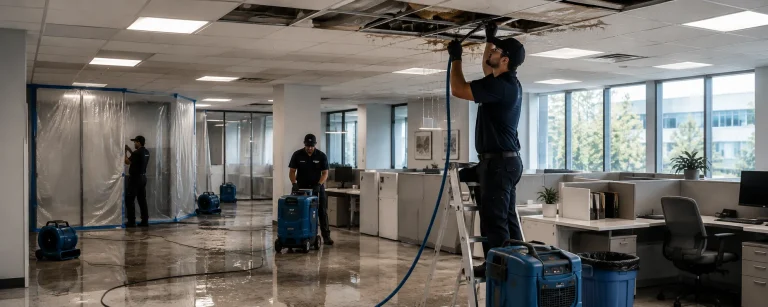
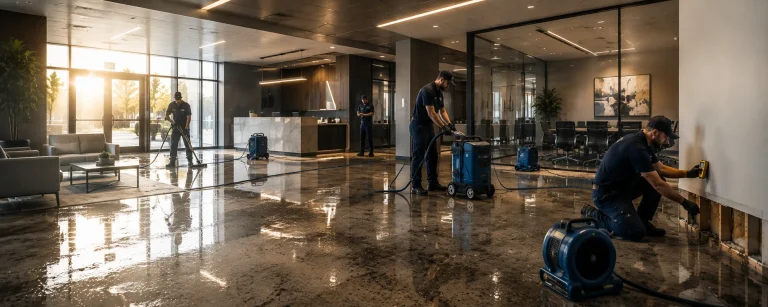
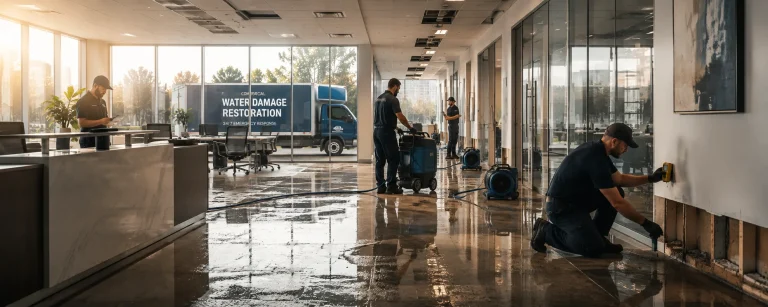
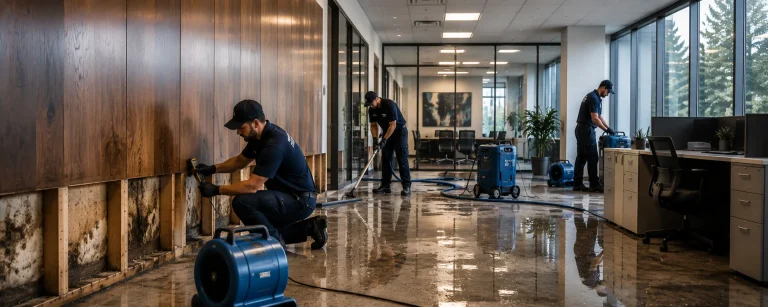
Healthcare Water Damage Repair Is About More Than Replacing Wet Materials
Water damage inside a healthcare facility affects patient care before it affects the building.
Beyond saturated flooring or ceiling tile, water may affect patient rooms, procedure areas, imaging equipment, sterile supplies, medication storage, and the air pressure relationships a facility depends on. Every decision made during recovery can influence patient safety, clinical scheduling, and regulatory readiness.
Commercial Water Damage provides educational resources that help hospital facility directors, plant operations managers, clinic administrators, medical office building owners, and healthcare contractors better understand healthcare water damage repair and the planning required to protect patients while the building is restored.
Healthcare Facilities Present Unique Recovery Challenges
Few commercial buildings combine this many sensitive environments under one roof.
- Patient rooms and nursing units
- Operating and procedure rooms
- Imaging and diagnostic suites
- Laboratories and pathology areas
- Pharmacy and medication storage
- Sterile processing and supply storage
- Outpatient clinics and exam rooms
- Administrative and medical records areas
Each area has different cleanliness, access, and scheduling requirements.
Common Causes of Healthcare Water Damage
Medical facilities experience water losses from both building and clinical systems.
- Supply line and riser failures
- Fire sprinkler activation
- HVAC condensate and air handler overflows
- Chilled water and boiler piping failures
- Roof and building envelope leaks
- Sterilizer and autoclave failures
- Lab and dialysis equipment water line failures
- Restroom and floor drain overflows
- Storm-related water intrusion
- Aging plumbing in older wings
Prompt evaluation helps limit both structural damage and disruption to clinical services.
Water Can Affect More Than Visible Finishes
In healthcare construction, the most sensitive pathways are usually concealed.
- Above-ceiling utility corridors
- Medical gas and vacuum line chases
- Pneumatic tube system pathways
- Wall cavities between patient rooms
- Electrical and data infrastructure
- Floor assemblies above occupied units
- Insulation and fireproofing
- HVAC ductwork and pressure boundaries
Hidden moisture should be evaluated before any area is returned to clinical use.
Protecting Patients, Staff, and Continuity of Care
Most healthcare facilities cannot close while recovery work proceeds.
- Infection control risk assessment considerations
- Rigid containment and barrier construction
- Negative air and filtration in work zones
- Protected routes for patients and staff
- Relocation of patient care activities
- Noise and vibration limits near patient areas
- Dust and debris control
- After-hours and phased scheduling
Maintaining safe, uninterrupted patient care is generally the first priority in planning.
Clinical Equipment and Systems Require Additional Consideration
Healthcare buildings depend on equipment that is costly and difficult to replace quickly.
- Imaging and radiology equipment
- Sterile processing equipment
- Pharmacy refrigeration and storage
- Laboratory instruments
- Medical gas systems
- Electronic health record infrastructure
- Nurse call and life safety systems
- Emergency power and electrical distribution
Evaluating these systems early helps clinical and facilities leadership prioritize repairs.
Coordinating Repairs in an Operating Healthcare Facility
Healthcare projects involve more review and approval than most commercial work.
- Facilities and plant operations leadership
- Infection prevention and control teams
- Clinical department leadership
- Safety and compliance officers
- Restoration professionals and general contractors
- Insurance representatives
- Biomedical engineering staff
- Equipment vendors and service providers
Organized communication helps keep clinical operations, documentation, and construction aligned.
Questions Healthcare Facility Managers Should Ask
Every facility has different clinical priorities and documentation requirements.
- Which clinical areas are affected, and can they be relocated?
- What containment is required before work begins?
- Have air pressure relationships been evaluated?
- Has hidden moisture above ceilings been assessed?
- How will patient and staff routes be protected?
- What documentation will be produced for the claim and for compliance files?
- How will sensitive equipment be protected or moved?
- When can work occur with the least clinical impact?
- How will clearance be verified before reoccupancy?
These discussions support both a defensible record and a safer project.
Healthcare Water Damage Recovery Happens in Phases
Medical facility projects generally progress through several connected stages.
- Emergency water extraction
- Containment and infection control measures
- Moisture mapping and assessment
- Structural drying and verification
- Cleaning and decontamination
- Repairs and interior reconstruction
- Systems and equipment restoration
- Final inspections and clearance for reoccupancy
Each phase supports a safe, documented return to clinical operations.
Looking Beyond the Immediate Repair
Many healthcare organizations use a water event to strengthen resilience.
- Preventive plumbing and riser maintenance
- Water detection in mechanical and equipment rooms
- Roof and envelope inspection schedules
- Air handler and condensate maintenance
- Emergency response planning for plant operations
- Utility shutoff mapping and staff training
- Documented vendor relationships
- Updated facility drawings and asset records
A proactive approach helps protect both patient care and capital equipment.
Why Commercial Water Damage Focuses on Healthcare Water Damage Repair
Healthcare facilities require a specialized approach because they combine continuous patient care, sensitive equipment, strict cleanliness expectations, and documentation obligations.
Commercial Water Damage provides educational resources that help hospital facility directors, plant operations managers, clinic administrators, developers, and healthcare contractors better understand water mitigation, extraction, restoration, repair planning, and insurance coordination and the planning required to keep clinical operations running during recovery.
Whether addressing a localized leak in a single exam room or coordinating recovery across a patient wing after a sprinkler discharge, informed planning helps reduce disruption, protect patients and equipment, and support a faster, better-documented recovery.
Water Emergency?
Our commercial response team is available 24/7 for water extraction, structural drying and restoration.
Our Services
Talk To A Specialist
Need help with a water loss right now?
Call our commercial team for extraction, drying and restoration planning built around your building and your operations.