Water emergency? Our commercial crews respond 24/7.
Home / Retail Water Damage Repair
Retail Water Damage Repair
- 24/7 Response
- Extraction
- Structural Drying
- Restoration
What happens when you call
24/7 dispatch
Call any hour. Crews mobilize for commercial losses, including nights and weekends.
Extraction & drying
Standing water removed, then structural drying with monitored moisture readings.
Insurance-ready records
Readings, photos and scope notes documented for your carrier from day one.
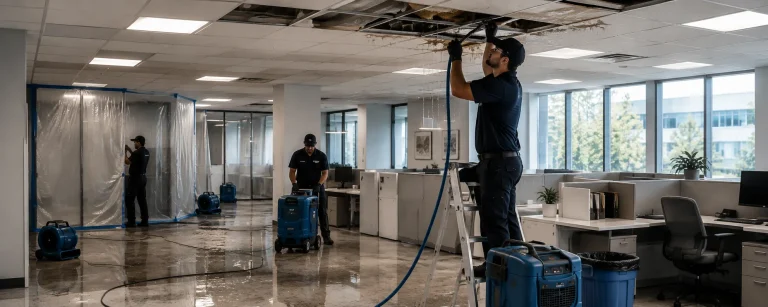
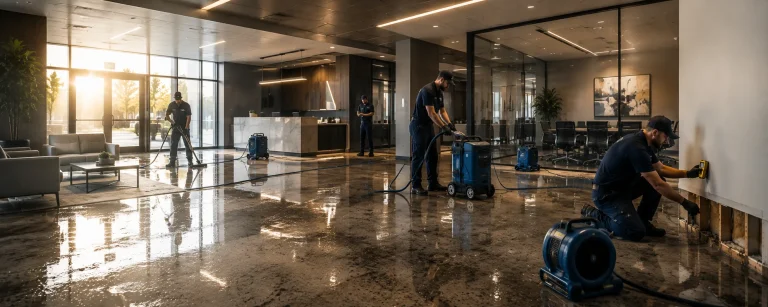
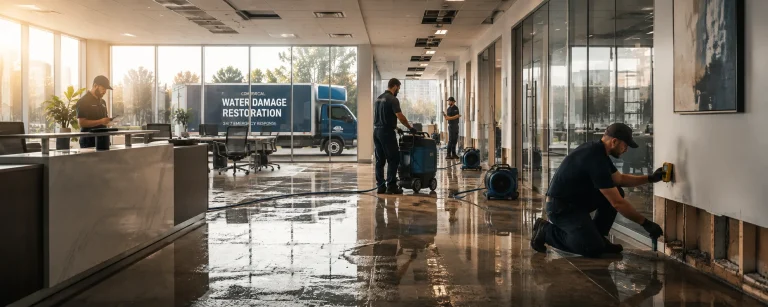
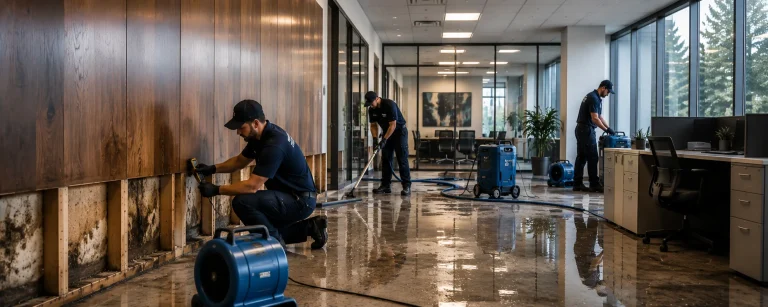
Retail Water Damage Repair Is About Protecting Customers, Merchandise, and Business Operations
Water damage inside a retail property affects much more than the building itself.
A leaking roof, broken water line, sprinkler discharge, or flooding event can interrupt customer traffic, damage inventory, disrupt employees, and impact daily revenue. Every hour a retail business is unable to operate can affect both the tenant and the property owner.
Commercial Water Damage provides educational resources that help retail property owners, shopping center managers, facility managers, developers, and commercial contractors better understand retail water damage repair and long-term recovery planning.
Every Retail Environment Has Different Priorities
Retail buildings vary significantly in design and operation.
Recovery planning may involve:
- Shopping centers
- Strip malls
- Big-box retailers
- Grocery stores
- Restaurants
- Auto dealerships
- Boutique retail stores
- Mixed-use commercial developments
Each property presents different challenges based on occupancy, customer traffic, inventory, and operating hours.
Common Causes of Retail Water Damage
Retail properties experience water losses from many different sources.
Typical causes include:
- Roof leaks
- Burst plumbing lines
- Fire sprinkler activations
- HVAC system failures
- Storm-related water intrusion
- Restroom overflows
- Mechanical equipment leaks
- Window and storefront failures
- Sewer backups
- Drainage issues
Early action often helps reduce disruption to both customers and business operations.
Water Can Affect More Than Sales Floors
Visible water may represent only a portion of the overall damage.
Moisture can migrate into:
- Display areas
- Storage rooms
- Stockrooms
- Wall cavities
- Ceiling systems
- Flooring assemblies
- Electrical infrastructure
- Mechanical equipment
Hidden moisture should be evaluated before permanent repairs begin.
Keeping Retail Businesses Operating
Many retail businesses continue serving customers during portions of the recovery process.
Planning may include:
- Temporary customer entrances
- Safe shopping pathways
- Protection of merchandise
- Phased repair schedules
- Evening and overnight work
- Dust containment
- Noise management
- Ongoing communication with tenants
Maintaining customer access whenever practical is often a primary objective during retail recovery.
Inventory and Merchandise Require Special Attention
Retail environments contain valuable inventory that may be affected by water damage.
Property teams often evaluate:
- Merchandise storage
- Product displays
- Point-of-sale equipment
- Checkout areas
- Backroom inventory
- Receiving areas
- Office spaces
- Employee break rooms
Coordinating recovery around inventory protection can help reduce operational losses.
Shopping Centers Require Coordination
Retail properties often involve numerous stakeholders.
Projects may include communication between:
- Property ownership
- Shopping center management
- Individual tenants
- Facility managers
- Restoration professionals
- General contractors
- Insurance representatives
- Building engineers
Clear communication helps coordinate repairs while minimizing disruption throughout the property.
Questions Retail Property Owners Should Ask
Every retail property has unique operational concerns.
Important questions include:
- Can the store remain open during repairs?
- Which tenant spaces are affected?
- How will customer safety be maintained?
- Has hidden moisture been identified?
- How will merchandise be protected?
- What documentation will be available?
- When can permanent repairs begin?
- How will project updates be communicated?
- What preventive improvements should follow?
These discussions help create a more organized recovery plan.
Retail Recovery Happens in Stages
Commercial retail projects generally progress through several connected phases.
Recovery may include:
- Emergency water extraction
- Damage mitigation
- Moisture mapping
- Structural drying
- Water damage restoration
- Building repairs
- Interior reconstruction
- Final inspections
Each phase helps support a safe return to normal retail operations.
Looking Ahead After the Repairs
Many retail property owners use water damage events to improve future preparedness.
Possible improvements include:
- Roof maintenance programs
- Storefront inspections
- Drainage improvements
- Preventive plumbing maintenance
- Water detection systems
- Emergency response planning
- Vendor coordination
- Routine building inspections
Preventive planning can help reduce future disruptions and protect long-term property performance.
Why Commercial Water Damage Focuses on Retail Water Damage Repair
Retail properties require a specialized approach because recovery involves customers, employees, inventory, tenant relationships, and ongoing business operations in addition to repairing the building itself.
Commercial Water Damage provides educational resources that help shopping center owners, retail property managers, facility managers, developers, and commercial contractors better understand water mitigation, emergency response, restoration planning, insurance coordination, business continuity, and long-term property performance.
Whether responding to a localized roof leak in a single storefront or managing water damage across an entire shopping center, informed planning helps reduce downtime, protect valuable assets, and support a faster, more efficient recovery.
Water Emergency?
Our commercial response team is available 24/7 for water extraction, structural drying and restoration.
Our Services
Talk To A Specialist
Need help with a water loss right now?
Call our commercial team for extraction, drying and restoration planning built around your building and your operations.