Water emergency? Our commercial crews respond 24/7.
Home / Warehouse Water Damage Repair
Warehouse Water Damage Repair
- 24/7 Response
- Extraction
- Structural Drying
- Restoration
What happens when you call
24/7 dispatch
Call any hour. Crews mobilize for commercial losses, including nights and weekends.
Extraction & drying
Standing water removed, then structural drying with monitored moisture readings.
Insurance-ready records
Readings, photos and scope notes documented for your carrier from day one.
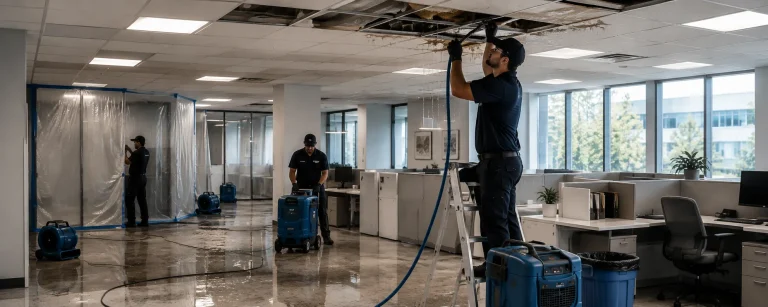
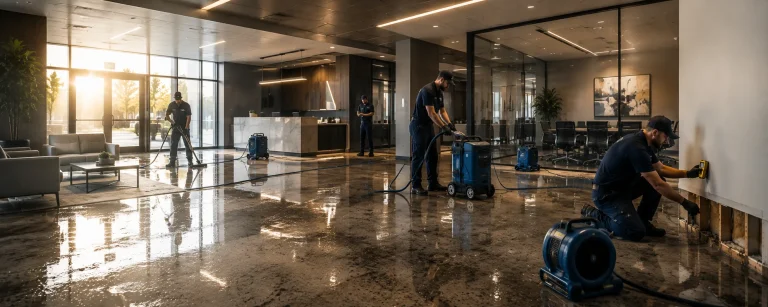
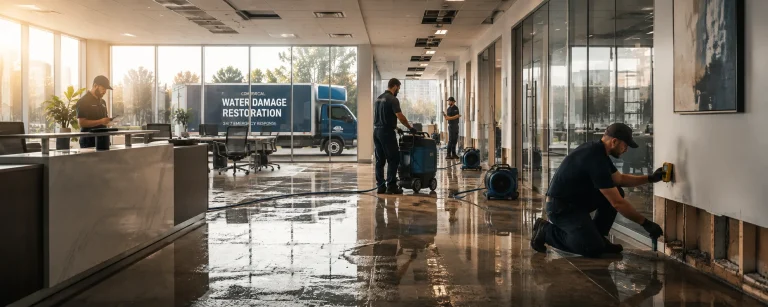
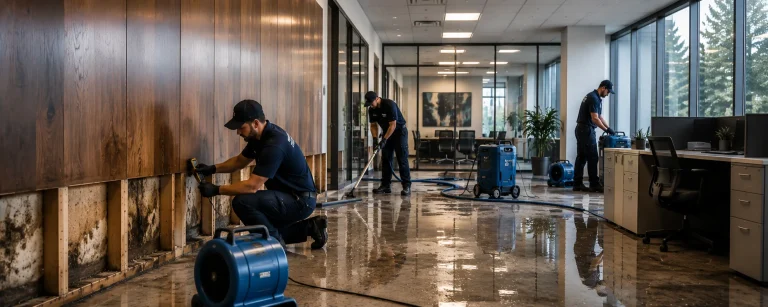
Warehouse Water Damage Repair Protects Operations, Inventory, and Facility Performance
Water damage inside a warehouse can disrupt far more than the building itself.
Leaks, flooding, sprinkler discharges, and plumbing failures may affect stored inventory, shipping operations, loading docks, equipment, and employee safety. Because many warehouses operate on strict delivery schedules, even a brief interruption can create delays throughout the supply chain.
Commercial Water Damage provides educational resources that help warehouse owners, facility managers, logistics operators, property managers, developers, and commercial contractors better understand warehouse water damage repair and long-term recovery planning.
Every Warehouse Operates Differently
No two warehouse facilities have the same operational priorities.
Recovery planning may involve:
- Distribution centers
- Manufacturing warehouses
- Fulfillment centers
- Cold storage facilities
- Logistics hubs
- Wholesale storage buildings
- High-bay warehouses
- Multi-tenant industrial parks
Building layout, inventory type, and daily operations all influence how repairs are prioritized.
Common Causes of Warehouse Water Damage
Warehouses experience water losses from a variety of sources.
Typical causes include:
- Roof leaks
- Burst water lines
- Fire sprinkler activation
- Storm-related flooding
- HVAC equipment failures
- Drainage problems
- Mechanical equipment leaks
- Sewer backups
- Foundation water intrusion
- Loading dock water infiltration
Early response helps reduce additional damage and minimize operational downtime.
Water Can Spread Across Large Areas
Warehouse buildings often feature expansive floor plans that allow water to travel significant distances.
Moisture may affect:
- Concrete slabs
- Storage racks
- Inventory areas
- Loading docks
- Office spaces
- Electrical systems
- Mechanical equipment
- Structural framing
Understanding where water has migrated is essential before restoration and repairs begin.
Protecting Inventory and Equipment
One of the highest priorities during warehouse recovery is protecting valuable assets.
Planning may include:
- Inventory relocation
- Equipment protection
- Temporary storage solutions
- Safe forklift routes
- Loading dock access
- Moisture monitoring
- Phased work zones
- Business continuity planning
Reducing disruption helps maintain productivity while recovery efforts move forward.
Large Industrial Buildings Require Coordination
Warehouse projects often involve multiple stakeholders.
Recovery may require coordination between:
- Building ownership
- Facility managers
- Operations managers
- Property managers
- Restoration professionals
- General contractors
- Insurance representatives
- Building engineers
Clear communication helps organize repairs while supporting ongoing warehouse operations.
Occupied Warehouses Present Unique Challenges
Many industrial facilities remain active throughout the recovery process.
Project planning may include:
- Shipping and receiving schedules
- Employee safety
- Equipment movement
- Restricted work areas
- After-hours repairs
- Temporary barriers
- Dust control
- Ongoing operational access
Maintaining safe and efficient warehouse operations is often just as important as repairing the building itself.
Questions Warehouse Managers Should Ask
Every industrial property has unique operational concerns.
Consider discussing:
- Which inventory areas have been affected?
- Can warehouse operations continue during repairs?
- Has hidden moisture been evaluated?
- How will loading docks remain accessible?
- Which structural components require attention?
- What documentation will be available?
- When can reconstruction begin?
- How will project updates be communicated?
- What preventive improvements should be considered?
Addressing these questions early often improves recovery planning and reduces operational interruptions.
Warehouse Recovery Happens in Phases
Commercial warehouse projects typically progress through several connected stages.
Recovery may include:
- Emergency water extraction
- Damage mitigation
- Moisture mapping
- Structural drying
- Water damage restoration
- Building repairs
- Interior reconstruction
- Final inspections
Each phase supports a safe and efficient return to normal warehouse operations.
Preparing for Future Water Events
Many warehouse owners use recovery projects as an opportunity to strengthen future resilience.
Potential improvements include:
- Roof maintenance programs
- Drainage improvements
- Plumbing inspections
- Water detection systems
- Preventive maintenance schedules
- Emergency response planning
- Vendor relationships
- Facility documentation
Planning ahead can help reduce future disruptions and protect valuable inventory and equipment.
Why Commercial Water Damage Focuses on Warehouse Water Damage Repair
Warehouse facilities require a specialized recovery strategy because they combine large structures, valuable inventory, logistics operations, industrial equipment, and strict delivery schedules.
Commercial Water Damage provides educational resources that help warehouse owners, logistics managers, facility managers, property managers, developers, and commercial contractors better understand water mitigation, emergency response, restoration planning, insurance coordination, business continuity, and long-term facility performance.
Whether addressing a roof leak above a storage area or managing a major water event affecting an entire distribution center, informed planning helps reduce downtime, protect valuable assets, and support a faster, more organized recovery.
Water Emergency?
Our commercial response team is available 24/7 for water extraction, structural drying and restoration.
Our Services
Talk To A Specialist
Warehouse water damage in Dallas-Fort Worth
Warehouse and distribution center water damage response in Grand Prairie, Dallas and Fort Worth.
Need help with a water loss right now?
Call our commercial team for extraction, drying and restoration planning built around your building and your operations.