If you want to scale your restoration business, commercial work is often the clearest path. Business accounts bring larger jobs, repeat work, and steadier revenue than one-off home calls. However, growth brings its own problems. More leads mean more crews, more equipment, more office support, and more cash tied up in jobs. Marketing that brings in work faster than you can handle it can hurt your reputation. This page explains how we help restoration companies grow in a steady, planned way.
It covers positioning, lead flow, sales, capacity, and the numbers that guide growth.
What It Means to Scale Your Restoration Business
In short, scaling is not just doing more jobs. It means growing revenue while keeping quality, cash flow, and profit healthy. For restoration companies, that often means shifting toward larger commercial losses and long-term accounts. It also means building systems so the business does not depend on the owner for every decision.
Step 1: Get Clear on Where You Want to Go
First, set clear goals. For example, how much revenue do you want in a year? What share should come from commercial work? Which cities do you want to serve? What job sizes do you want to target? These goals shape every marketing choice that follows. Without them, it is easy to chase leads that do not move you forward.
Step 2: Position Your Company for Bigger Jobs
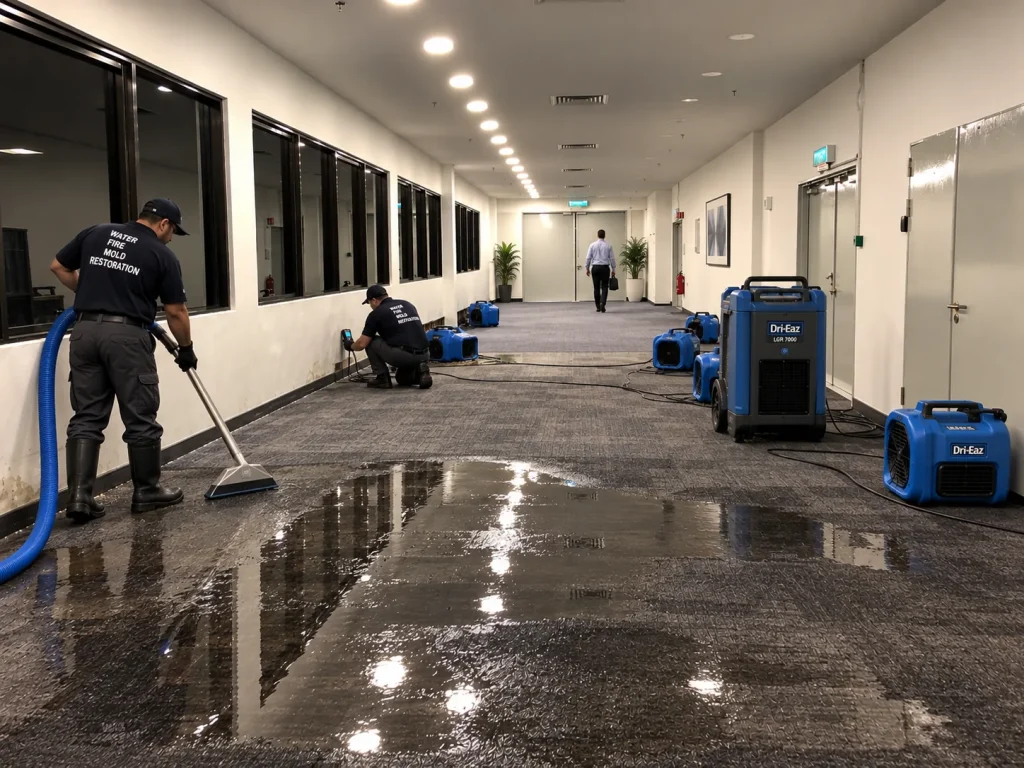
Above all, business buyers want proof that you can handle scale. So your marketing must show your capacity, your process, and your track record. That includes photos of large jobs, clear information about your equipment, and stories about complex projects. When buyers see that you are ready, they trust you with bigger losses.
Step 3: Steady Leads to Scale Your Restoration Business
Of course, growth needs reliable leads. So most firms use a mix of channels:
- Local SEO for steady search traffic
- Google Ads for fast, high-intent calls
- Pay-per-call programs for pay-for-results leads
- B2B outreach for long-term accounts
- Referrals from past clients and partners
A mix protects you if one channel slows down.
Step 4: Tighten Your Sales Process
However, more leads do not help if they slip away. So your sales process must be ready. Answer every call fast. Use simple scripts to gather key details. Follow up on every estimate. In addition, track which leads turn into jobs. Small improvements here can grow revenue without spending more on marketing.
Step 5: Scale Your Restoration Business at the Right Pace
Unfortunately, this step is where many firms stumble. If marketing brings in more work than your crews can handle, quality suffers. Clients notice slow response and missed details. So we plan marketing around your capacity. When you add a crew or new equipment, we raise lead flow. When you are fully booked, we slow down ads. That balance keeps your reputation strong.
Scale Your Restoration Business Into New Markets
In addition, expanding into new cities is a common way to grow. However, it takes planning. You need local pages, local reviews, and a Google profile for each location you truly serve. You also need crews close enough to respond quickly. We help you build a presence in each new market step by step.
Numbers That Help You Scale Your Restoration Business
Growth decisions should be based on data. So we track the numbers that matter most:
- Leads by source and cost per lead
- Close rate from lead to job
- Average job value by type
- Revenue from repeat accounts
- Crew utilization and backlog
These numbers show where to invest and when to hold back. For broader research on how businesses use search and marketing data, Think with Google shares helpful insights.
Funding Growth Without Strain
Large commercial jobs can tie up cash for weeks while insurance pays out. So growth needs a cash plan too. Know how long payments usually take. Keep a reserve for payroll and equipment. In addition, consider whether you need a line of credit before taking on several large losses at once. When you scale your restoration business with a cash plan, a busy month never turns into a cash crunch.
Equipment and Crew Planning
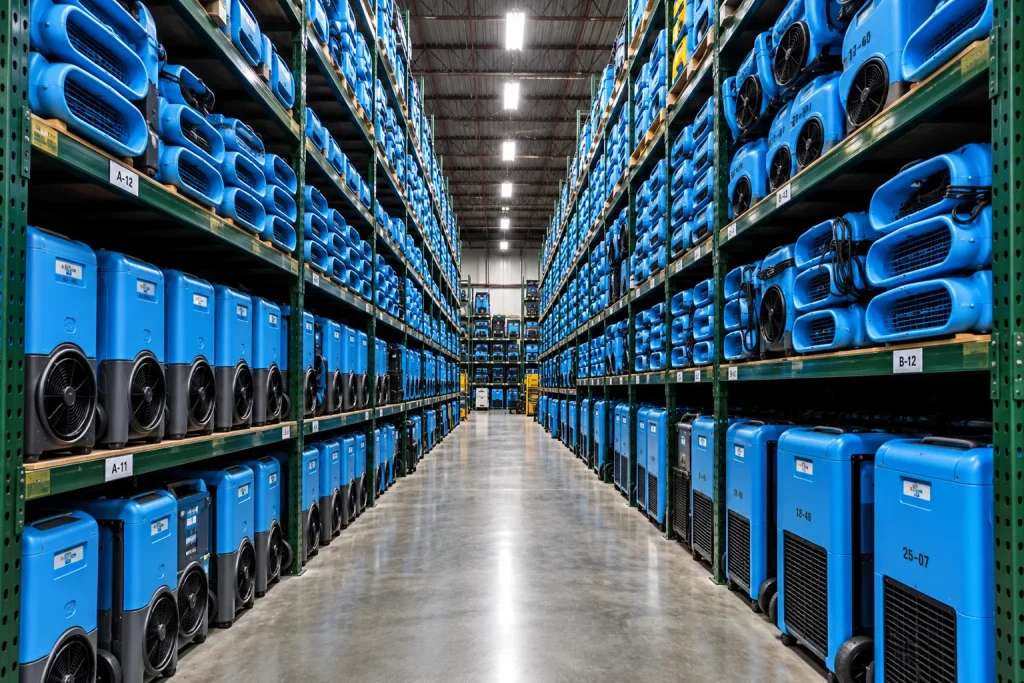
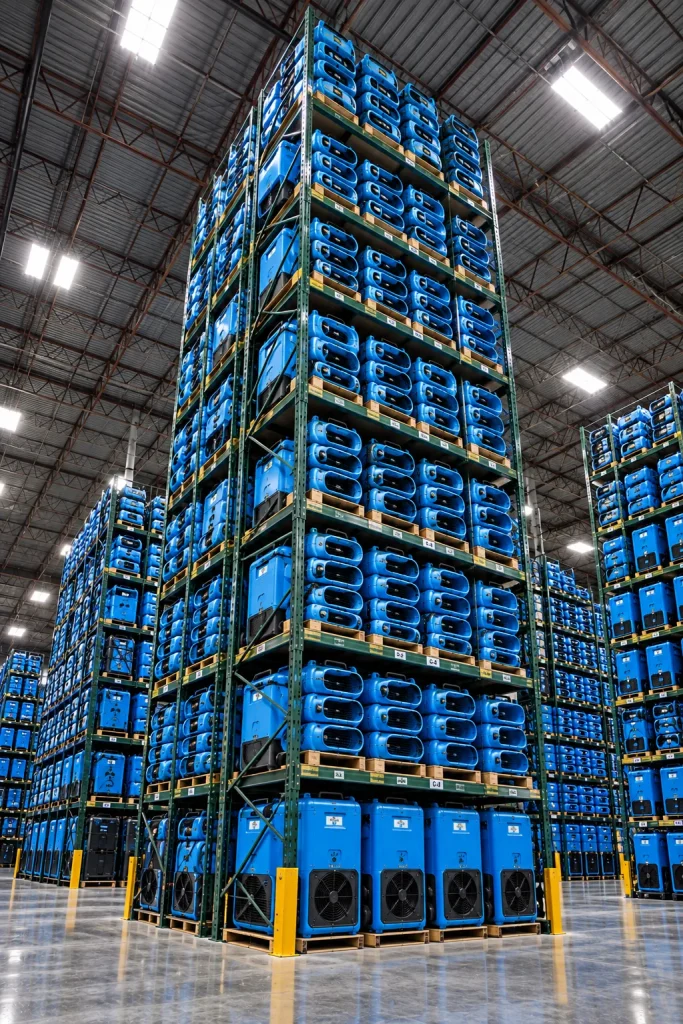
Bigger jobs need more gear. Drying a warehouse takes far more air movers and dehumidifiers than drying a kitchen. So plan equipment purchases alongside your marketing. Likewise, hire and train crews before demand peaks. Then, when the big call comes, you are ready to say yes.
Building Long-Term Accounts
The fastest way to grow is often through clients you already have. A property manager with one building may have twenty more. So follow up after every job, ask for reviews, and offer pre-loss walkthroughs. Our B2B restoration marketing page explains how to turn jobs into lasting accounts.
Scale Your Restoration Business With the Right Team
Eventually, growth outpaces the owner’s time. So many firms add a business development role, an office manager, or a project manager as they grow. Marketing can support these roles with clear leads, good tools, and simple reports. That way, the business can grow beyond what one person can manage.
A Realistic Growth Timeline
Steady growth takes time. Paid ads can add calls fast. Rankings and trust with business buyers grow more slowly. Most firms notice clear progress after two or three quarters of focused effort. Real, lasting growth is built step by step.
Common Mistakes to Avoid
- Chasing every lead instead of the right jobs
- Growing marketing faster than crew capacity
- Relying on a single lead source
- Ignoring sales follow-up
- Making decisions without clear numbers
FAQ on How to Scale Your Restoration Business
Should I focus on commercial work to grow?
For many firms, yes. Commercial jobs tend to be larger and repeat more often.
How do I avoid taking on too much?
Plan marketing around crew capacity and adjust lead flow as you grow.
How long does it take to scale?
Clear progress usually shows up after two or three quarters of steady effort.
Grow With a Plan
Growth planning ties together every service on our restoration marketing page. To map out your next stage of growth, talk with our team.