Reno commercial water extraction is often the first big step a business sees after a burst pipe, roof leak, or flood. Trucks arrive, hoses come through the door, and loud equipment starts pulling water out of carpet and floors. For many owners, it is their first time through the process. Knowing what to expect makes it far less stressful. This guide explains what happens when an extraction crew arrives at a Reno business, how long it takes, and what comes next.
It is written for business owners, store managers, office administrators, and property managers across Reno, Sparks, and the Truckee Meadows.
Why Water Damage Happens in Reno
Reno’s high desert climate brings its own risks. Winter nights often drop well below freezing, which can burst pipes in unheated spaces. Heavy snow can cause roof leaks and ice dams. In some years, the Truckee River and local creeks rise after storms and snowmelt. In addition, aging plumbing, water heaters, and fire sprinklers can fail at any time. So every Reno business should know what extraction looks like.
Step 1: The First Call
When you call for help, share clear details. Tell the dispatcher where the water came from, whether it is still flowing, and how large the wet area is. Also mention any safety concerns, such as water near electrical panels. This information helps the crew bring the right equipment and enough people.
Step 2: Arrival and Safety Check
When the crew arrives, they start with safety. Their first job is making sure no more water is flowing. After that, they check for electrical hazards and slip risks. Then they decide which areas are safe to enter. If water reached outlets or equipment, they may ask for power to be shut off in that area.
Step 3: Inspection and Water Category
Next, the crew inspects the damage. In particular, they identify the water category. Clean water from a supply line is lowest risk. Gray water from appliances carries some germs. Black water from sewage or floods is highest risk. The category decides how much material must be removed and what protective gear workers need. It is a key part of Reno commercial water extraction.
Step 4: Protecting Contents Before Reno Commercial Water Extraction
Before extraction, therefore, crews move furniture, inventory, files, and equipment out of the water. Items that cannot move are lifted onto blocks or covered with plastic. Electronics are unplugged and moved to dry areas. This step limits damage and keeps the work area clear.
Step 5: Reno Commercial Water Extraction Begins
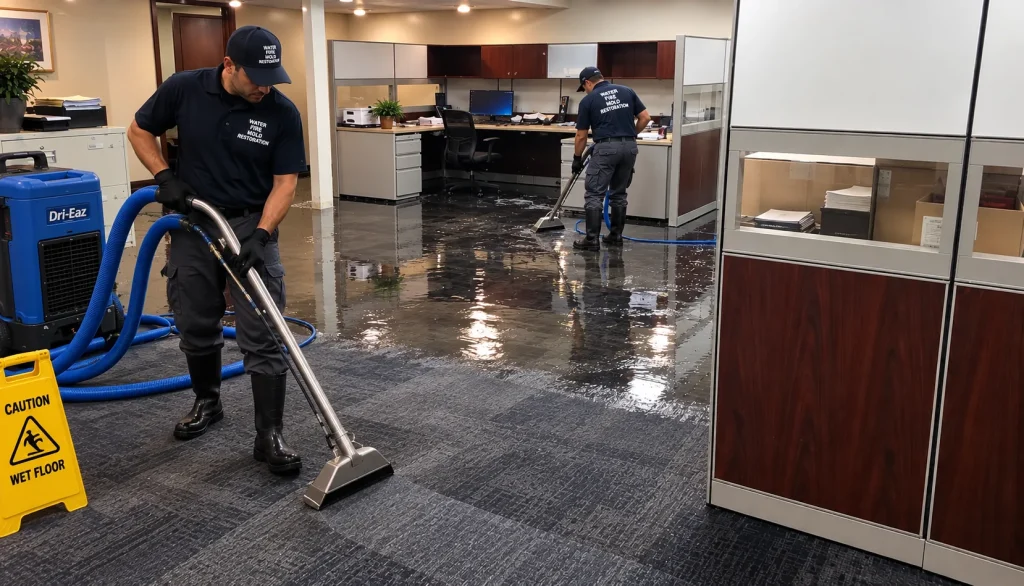
Now the main work starts. Crews use several tools:
- Truck-mounted extractors for large areas and deep water
- Portable extractors for upper floors and tight spaces
- Submersible pumps for basements and flooded rooms
- Weighted tools that crews ride across carpet to press out trapped water
- Squeegees and wet vacuums for hard floors
Good extraction removes far more water than drying equipment alone could. As a result, drying time drops.
What Reno Commercial Water Extraction Looks Like
Extraction is loud. Trucks run outside, and hoses snake through doors and hallways. Crews move quickly and may need to prop doors open. So warn staff and customers ahead of time. In addition, keep walkways clear for the crew. Most extraction work in one area finishes within a few hours.
Step 6: Removing Wet Materials
After extraction, some materials still cannot be saved. Usually, crews pull out soggy pad, waterlogged insulation, and any drywall that touched dirty water. Crews remove these carefully and bag the debris. They may cut drywall a few feet above the floor to reach wet framing. This opens the wall so air can dry it.
Step 7: Setting Up Drying Equipment
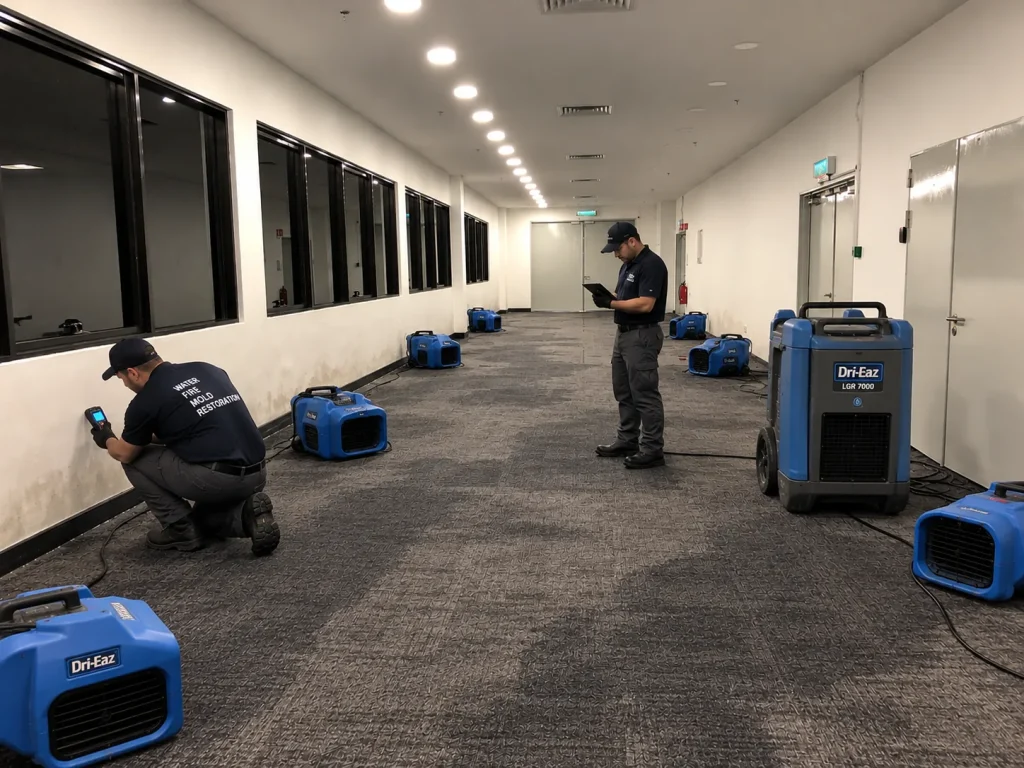
Extraction removes standing water, but materials remain damp. So crews set up air movers and dehumidifiers. Reno’s dry air helps drying in many seasons. However, winter heating and closed buildings can slow it down. A technician returns daily to read meters and shift machines where needed.
How Long Reno Commercial Water Extraction Takes
Extraction itself often takes a few hours to a full day, depending on size. Drying usually takes three to five days. Larger buildings, dense materials, and cold weather can take longer. Repairs follow after drying is verified.
Staying Open During Reno Commercial Water Extraction
Many businesses stay partly open during cleanup. Crews can work in zones, set up barriers, and keep walkways safe. Loud work can move to early mornings or evenings. In addition, temporary signs help customers find open areas. Talk with your crew lead about a plan that fits your hours.
Reno Commercial Water Extraction and Insurance
Take photos before crews start. Keep a list of damaged items. Ask the contractor for moisture readings, equipment logs, and invoices. These records support your insurance claim. In addition, call your insurer early to report the loss.
Cold Weather Challenges in Reno
Winter adds extra hurdles. Frozen ground and snow can make access harder for trucks. Hoses can freeze if water sits in them overnight. In addition, cold air holds little moisture, which helps some drying but slows the evaporation of very wet materials. So crews may add heat to the space during Reno commercial water extraction and drying. Meanwhile, they protect doorways from snow and ice tracked in by workers.
Extraction in Warehouses and Large Spaces
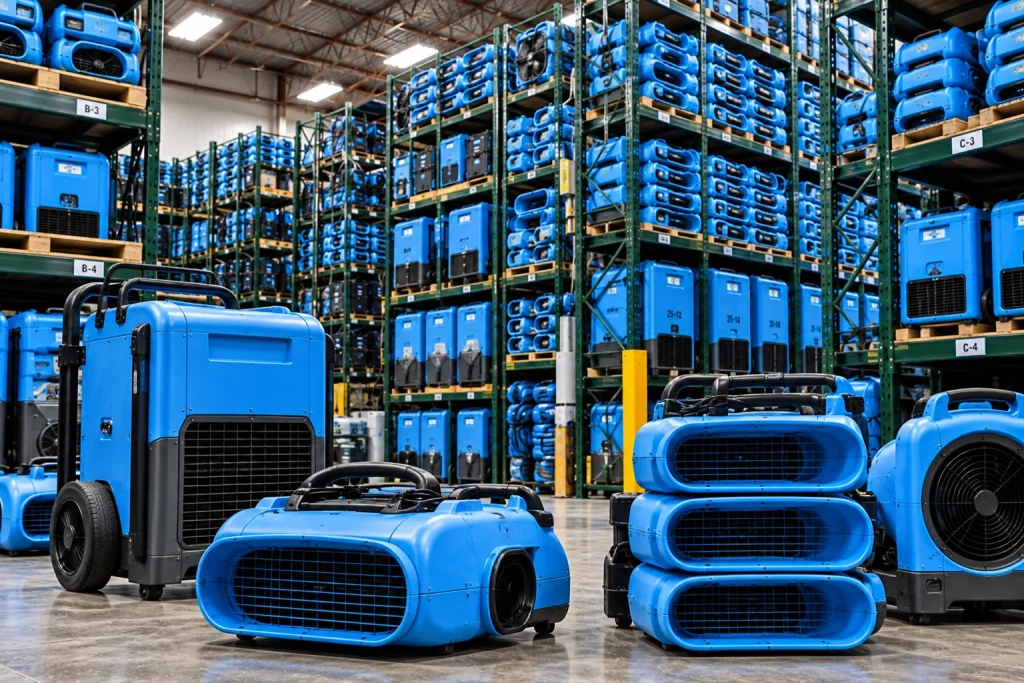
Reno and Sparks have many warehouses and distribution centers. These buildings have huge floors and tall racks. So extraction often uses several truck-mounted units at once. Crews also use squeegees to push water toward drains. Meanwhile, forklifts move pallets off wet floors. As a result, large spaces can be cleared faster than many people expect.
Local Permits and Rebuild
Extraction and drying usually do not need permits. However, rebuilding walls, electrical work, or structural repairs may. The City of Reno handles building permits within city limits. Your contractor can explain which repairs need review.
Tips for a Smooth Cleanup
Every Reno job is a little different, but good habits help on all of them.
A few simple steps help. First, clear a path from the door to the wet area. Next, move valuables if it is safe. Then name one person to talk with the crew. Also, keep staff away from wet floors. Finally, ask questions anytime. A good crew will explain every step.
What Happens After the Crew Leaves
Once drying is done, the crew removes its equipment. They share the final moisture readings with you. Then the rebuild can begin. Some contractors handle repairs too. Others hand off to a general contractor. Either way, keep all records in one place for your insurer.
Common Mistakes to Avoid
- Waiting to call because the water “doesn’t look bad”
- Using household vacuums on standing water
- Leaving wet carpet pad in place
- Turning on wet electronics
- Skipping photos before cleanup starts
FAQ on Reno Commercial Water Extraction
How fast can a crew arrive?
Many crews offer 24-hour service and arrive within a few hours.
Can my business stay open during Reno commercial water extraction?
Often, yes, with zoned work and safe walkways.
Is extraction enough to dry my building?
No. Drying equipment and daily monitoring must follow.
Get Fast Help in Reno
Quick extraction limits damage and cost. See our Reno commercial water damage page, or learn about our emergency water extraction services.
Related Reading
- Mitigation vs. Restoration — which services your building needs.
- Commercial Structural Drying — how contractors prove a building is dry.
- Commercial Water Extraction — why removing standing water is only the first step.
- Commercial Moisture Mapping — finding water behind walls and under floors.
- Hidden Commercial Water Damage — why visible damage is rarely the full damage.
- Commercial Restoration Downtime — why business interruption can cost more than the damage.