Industrial water remediation is a balancing act. On one side sits a flooded plant floor, wet machines, and possible chemical spills. On the other side sit production targets, customer orders, and workers waiting to get back on the line. Shutting down for weeks is rarely an option. Yet rushing a restart can damage machines, ruin products, or put people at risk. This guide explains how to plan cleanup around equipment and production, so your plant recovers safely and quickly.
Plant managers, operations leaders, and facility engineers can use it to guide decisions after a water event.
Why Industrial Water Remediation Is Different
Industrial sites are complex. They hold heavy machines, wiring, process piping, chemicals, and raw materials. Water can reach control panels, motors, pits, and trenches. Meanwhile, oils, chemicals, or wastewater may mix with the water.
Because of these risks, industrial water remediation needs careful planning. It is not just about drying floors. Instead, it is about protecting people, machines, products, and the environment all at once.
Step 1: Safety First
The first step is always safety. Teams should:
- Shut off power to wet electrical gear
- Lock out and tag out affected machines
- Find any chemical or fuel spills
- Check for slip hazards and structural damage
- Give workers proper protective gear
Lockout and tagout steps protect workers from sudden startups. In addition, the OSHA flood cleanup guidance covers many related hazards.
Step 2: Identify the Water and Contaminants
Next, find out what is in the water. Clean water from a broken supply line is less risky. However, water that touched oils, chemicals, or sewage needs special handling. In some cases, a lab must test it first. After that, crews collect the dirty water and dispose of it under local environmental rules.
Step 3: Rank Critical Equipment
Before cleanup starts, list every machine the water reached. Then rank each one by how much production depends on it. Ask simple questions. What does the main line need to run? What can wait a week?
This ranking sets the cleanup order. In other words, crews focus first on the areas and machines that unlock production. Our post on operational choke points explains this approach in depth.
Step 4: Extract and Contain
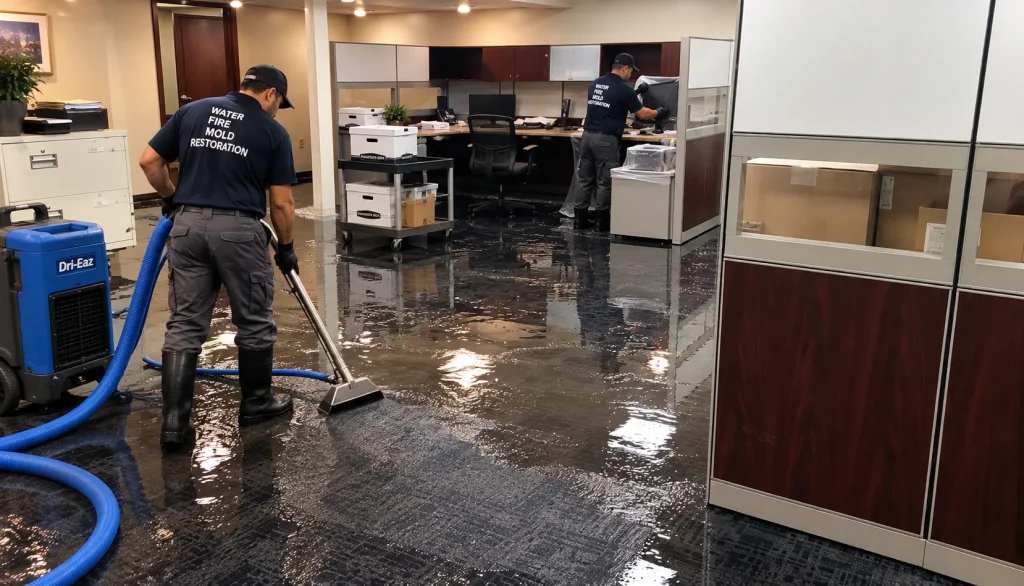
Crews then remove standing water from floors, pits, and trenches. They may use pumps, vacuum trucks, and heavy-duty extractors. At the same time, they set up barriers to keep water and debris away from clean areas.
Industrial Water Remediation for Machinery
Wet machines need careful attention. A restart that comes too soon can cause short circuits, bearing damage, or rust. A typical process looks like this:
- Take photos of each machine’s condition.
- Remove water and debris from housings and cabinets.
- Dry motors, controls, and panels with gentle heat and dehumidifiers.
- Clean and treat metal surfaces to stop rust.
- Have qualified technicians test wiring and controls.
- Restart in stages and watch each machine closely.
Also, equipment makers often publish steps for water exposure. Following them helps protect your warranties.
Electrical Systems and Controls
Electrical gear is often the slowest part to recover. For instance, water inside a motor control center can leave residue that causes failures months later. So a licensed electrician should inspect switchgear, drives, and panels. In many cases, they will dry and test the gear. Sometimes, though, replacement is the safer choice.
Step 5: Dry the Facility
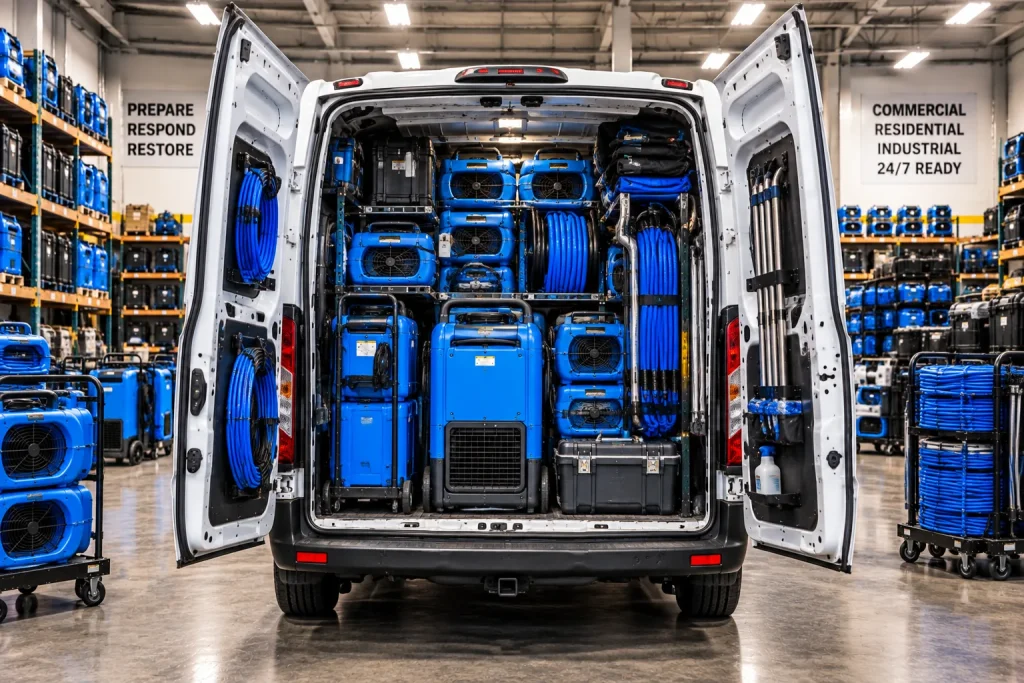
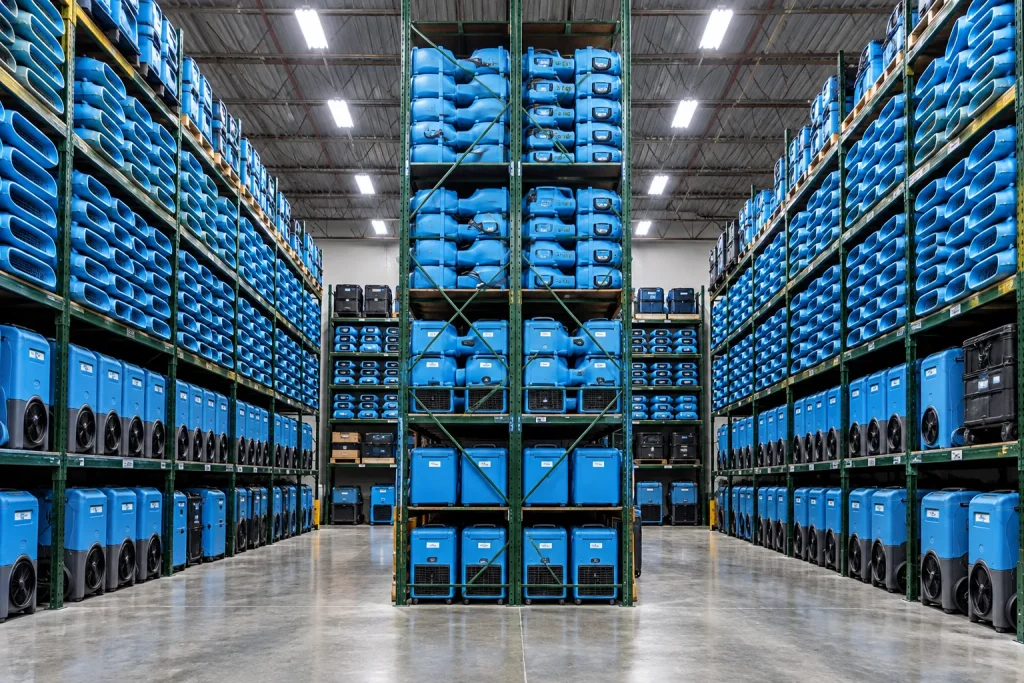
Industrial buildings often have huge open spaces and high ceilings. Drying them takes large desiccant dehumidifiers, strong air movers, and sometimes temporary heat. Meanwhile, technicians map moisture in walls, floors, and insulated panels and track progress every day.
Step 6: Clean and Decontaminate
After drying, crews clean every affected surface. If dirty water was involved, they sanitize floors, walls, and machine exteriors. Porous items, such as insulation and some packaging, may go to disposal. Food and drug plants face especially strict cleaning rules, so they often need sign-off from quality teams.
Planning Industrial Water Remediation Around Production
The goal is to restart as soon as it is safe. Here are proven strategies:
- Phase the work: Clean and restart one line or zone at a time.
- Use temporary power: Run key systems while panels are repaired.
- Shift production: Move work to another line, shift, or plant.
- Rent equipment: Replace damaged machines for a short time.
- Work around the clock: Schedule cleanup during off hours.
Above all, keep one person in charge of the schedule. That person links the restoration crew, maintenance team, and production leaders, so nobody works at cross purposes.
Keeping Workers Informed
Workers want to know when they can come back. They also want to know if the plant is safe. So share short updates every day. For example, post a simple board near the break room that lists which lines are down, which are drying, and which are back up.
In addition, hold a quick safety talk before each shift. Point out wet zones, new walk paths, and areas that are off limits. Remind staff not to touch machines with lockout tags. Also tell them who to call if they see new leaks or smell something odd.
Some workers may help with cleanup. If so, give them the right gear and training first. After all, dirty water and wet wiring can hurt people who are not ready for them. On the plus side, a well-informed crew spots problems early and helps the plant restart sooner.
Raw Materials and Finished Goods
Water may also damage raw materials and finished products. First, separate damaged stock. Next, document it and hold it for the adjuster. Never ship products that may be contaminated. Instead, let quality control approve any goods you plan to save.
Environmental and Regulatory Concerns
Industrial water may carry pollutants. For this reason, disposal must follow local, state, and federal rules. Some plants also hold permits that require them to report spills. So check with your environmental team before you discharge any water.
Insurance and Business Interruption
Industrial losses often include large lost-income claims. Track downtime, lost output, extra costs, and repair bills carefully. Our downtime and business interruption post explains why these costs can exceed the physical damage.
Preventing Future Losses
- Inspect roofs, drains, and piping on a set schedule.
- Install water sensors near key machines.
- Raise sensitive controls and panels where you can.
- Train staff on emergency shutoff steps.
- Keep a restoration partner on call.
FAQ on Industrial Water Remediation
How long does industrial water remediation take?
It varies with size, contamination, and equipment. Phased work can restart key lines within days, while full recovery may take longer.
Can wet machinery be saved?
Often, yes, with proper drying, cleaning, and testing before restart.
Who should lead industrial water remediation?
Usually a joint team works best. The restoration firm handles cleanup, while plant staff guide priorities and safety.
Get Back to Production Safely
Every plant is different, so every plan should fit the site. Still, the basics stay the same. Put safety first, rank your machines, dry the building fully, and restart in stages. When those steps guide the work, industrial water remediation stays on track and the line gets moving again. Most of all, do not let pressure to restart push you into skipping tests.
A careful plan protects people, machines, and schedules. Visit our industrial services page, or contact our team to plan your recovery.
Related Reading
- Warehouse Water Damage Repair — protecting inventory, equipment, and shipping.
- Commercial Water Extraction — why removing standing water is only the first step.
- Commercial Storm Damage Restoration — roof leaks and flooded interiors after a storm.
- Operational Choke Points — small damage that can shut down an entire property.
- Commercial Restoration Downtime — why business interruption can cost more than the damage.
- Commercial Restoration Sequencing — why the order of recovery can matter more than speed.